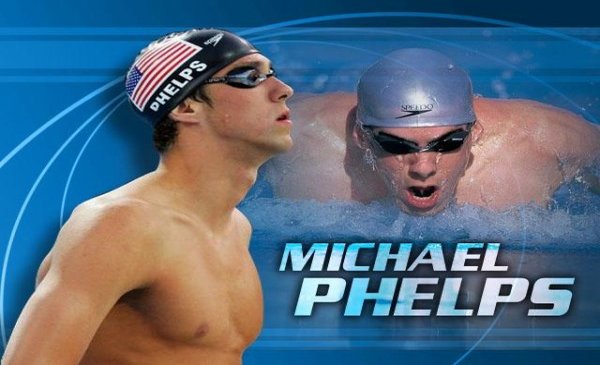
Back in February we touched on Michael Phelps and celebrity endorsements. The topic brought to light varying opinions on people as brands. Are they? I asked a few colleagues.
Mark Ritson: No
It's a common error to assume that people, countries and cities are all brands. Yes, they all possess symbolic meaning but as I point out in my post so do road signs. The point is that brands are more than just a cluster of meanings. On the consumer side you have to be able to purchase them and own them, on the organisational side you have to be able to control and alter them if you so choose. Neither applies to people.
Take Michael Phelps. Do you own him when you buy a box of cereal with is name on it? Could we reposition Phelp's personality and talents if we decided a strategic review was needed - perhaps into an intense soccer player?
Put it another way. We have an extensive academic body of work on celebrity endorsement in the Journal of Consumer Research for example, starting with the superb work of Grant McCracken. We also have an extensive and empirically verified series of papers on Co-Branding published in journals like the Journal of Brand Management. Even a cursory look at these two literatures confirm that the relationship between two brands, and between a celebrity and a brand, are entirely different. If we were to accept the premise of celebrities as brands we would have to unite these two disparate literatures somehow.
There is a final and most important rationale for rejecting people as brands. To do so would be to commit what Marx called "the commodification of self". When we turn people into brands their humanity is lost. Yes we use people to sell brands, but when we start to use the literature on brands to sell people we forget the essential humanity that sets apart people from things.