

avatar_48x48
Contact BSI
Derrick Daye
888.706.5489 Email us

Category: Marketing and China

Branding and China Marketing and China

Brand Strategy For The Chinese CEO

By

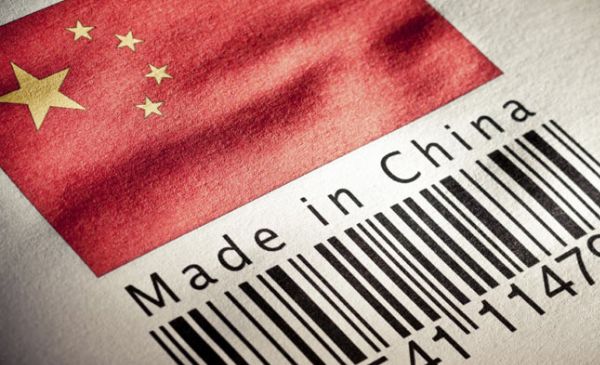
480_China Flag BC, Made in China, Dion Laurent
Chinese organizations have unique challenges and advantages in their home market. Here are 10-steps specifically designed for Chinese CEO's to successfully channel their resources to build powerful brands.

1.) Build a strong corporate board of directors: Board of directors can be one of the most important strategic resources for any company. By including directors who are well connected to different strategic resources such as investment banks (to help in funding), regulatory authorities (to obtain permissions), media (to create favorable perceptions), and politicians (to help in lobbying), Chinese companies can further strengthen their ties to multiple stakeholders. Such a move not only erects entry and mobility barriers but also would allow them access to scare resources thereby creating a credible source of competitive advantage.

2.) Develop a powerful local, regional and national distribution system: China is a vast and widely spread out country. Distribution systems in China are not consolidated as they are in much advanced countries such as the United States, United Kingdom or Europe. Given the strategic importance of having a wide spread and well managed distribution system for reaching customers, Chinese companies should invest in creating a well managed, far flung and well coordinated distribution system. Mere reliance on existing fragmented distribution channels will not be sufficient.

3.) Tap the local human capital of customers, collaborators and competitors: As is widely acknowledged by now, China is a very different market from those in the Western world. Chinese companies should leverage this difference to their advantages. In addition to using market research firms, Chinese companies should tap into the human capital across the spectrum and across markets. Local customers, business partners and collaborators would have a wealth of information on local customer buying habits, the local regulatory policies and other strategic information. By establishing a formal network to enable information flow, Chinese companies can create a strong advantage over foreign companies that may not have access to their market information.

Read More
Branding and China Marketing and China Naming Steve Rivkin

China Embracing English Names

By

480_prc-china-flag

Go global, young man.

That was the advice from Harvard’s Theodore Levitt when his seminal article, "The Globalization of Markets," was published in 1983. Since then, globalization has become a dominant theme of international business strategy.

It really is a neat idea: You drive a global brand with one big differentiated idea, everywhere from Akron to Auckland. Your brand gets recognized on the shelf by travelers and natives alike. A single name lowers production and manufacturing costs.

That’s normally what we mean by a “global name.” But in China, the younger generation is giving globalization a provocative new spin. As China talks of opening itself to the world, its young people are presenting themselves to the world by selecting new names in English.

Read More
Branding and China Marketing and China Naming Steve Rivkin

Exploit Advantages in Chinese Brand Naming

By

480_DSC00030

As FedEx and UPS expand their services in China, one leading linguist argues that they could have profited more from the positive sounds of their names transliterated into Chinese.

The name FedEx has a strong association in Mandarin Chinese with fei, which is flying – a desirable name hinting at speed. The U of UPS also has a good association: it sounds like yo in Mandarin Chinese, meaning excellent. In Taiwan, UPS has its name transliterated as You Bi Su (literally "excellent-compared-to-fast," insinuating quality service as well as speed).

Fed Ex’s “flying” nuance effectively expresses excellence with a picture of quickness in delivering, according to Andy Chuang, president of Good Characters in Fresno, California.

According to their official Chinese websites, however, both FedEx and UPS chose to translate the meaning of their names rather than transliterate the already familiar American names. The result is a mouthful. FedEx is Lian Bang Kuai Di, meaning Federal Express; UPS is Lian He Bao Guo Yun Sung Fu Wu, meaning United Parcel Service. Fortunately for them and no surprise to nameologists, customers use the shorter, positive-sounding English name more often.

The bottom line: Consider the positive association your brand name might have if transliterated into Chinese, and take advantage of it.

Sponsored By: The Brand Positioning Workshop

Read More
Branding and China Mark Ritson Marketing and China

Don’t Underestimate Chinese Marketers

By
480_warren_buffet_charity_auction  
Greetings from the wonderful, if rather wet, city of Shanghai. About seven years ago I signed on with a big multi-national to train its marketing teams here in China. To be honest, when I started running the programme I had little idea what to expect. Now, however, many years later, China exerts a strong pull over me.
Each year I fly out here and review the plans of the small army of marketers that I have trained up over the years, as well as running new recruits through the programme. Seven years is a long time in China and I have watched the city of Shanghai evolve and improve at a mind-boggling rate. Each July when I arrive I find bridges where last year there was just river, amazing restaurants that have sprung up and established themselves and formerly drab streets that have become wide boulevards.

Even more impressive is the evolution in the marketing skills of my executives. Before my eyes they have transformed from anxious graduate students with no practical experience into the best marketers I have ever seen.

I have been a marketing professor for 12 years and taught all over the world, but it is only in China were I have seen my instruction executed to perfection in the field.

Read More
Branding and China Marketing and China Naming Steve Rivkin

Chinese Naming Strategy Q&A

By

Someday, it will be the biggest consumer market in the world. No wonder that marketers are increasingly interested in Chinese naming.

With his training in classical and modern Chinese literature plus an advanced American psychology degree in bilingual memory research, Andy Chuang is the first in his family’s 1,500-year history to master not only Chinese but also English. His company, Goodcharacters.com in Fresno, California, specializes in Chinese naming and linguistic evaluation.

We sat down with Andy to talk about the rationale and the process of Chinese naming.

Q: Americans have a set of basic assumptions about how they name things. Is it true that the Chinese have a completely different orientation towards naming?

Americans typically choose existing first names for their babies. For example, John, David or Mary. However, the Chinese name their babies in the same manner that you would name a company or a product. The Chinese pick some “good characters” and put them together to form a “good meaning.”

Consider the Chinese president, Jiang Zemin, as an example. Jiang is his family name. His first name, Zemin: the combination of the two characters, Ze and Min. Ze is a “pool” or “benefaction.” Min is “the people.” By putting these two together, Ze-min means “benefit to the people” or a “blessing for the people.”

Read More

Get Two FREE Chapters Of Brand Aid

Subscribe to Branding Strategy Insider Now and get regular updates and two FREE Chapters of Brad VanAuken's best selling book Brand Aid direct to your inbox.

  • Rare Overview of the Entire Brand Management Process
  • Analysis of the 40 Most Common Brand Problems
  • 17 Checklists Covering All areas of Brand Management
  • The Indispensable Guide for Building Strong Brands
Subscribe

Your information is Safe and will never be sold, traded or shared.