
The Blake Project, the brand consultancy behind Branding Strategy Insider, delivers interactive brand education workshops and keynote speeches designed to align marketers on essential concepts in brand management and empower them to release the full potential of the brands they manage.
Category: Brands and Discounts
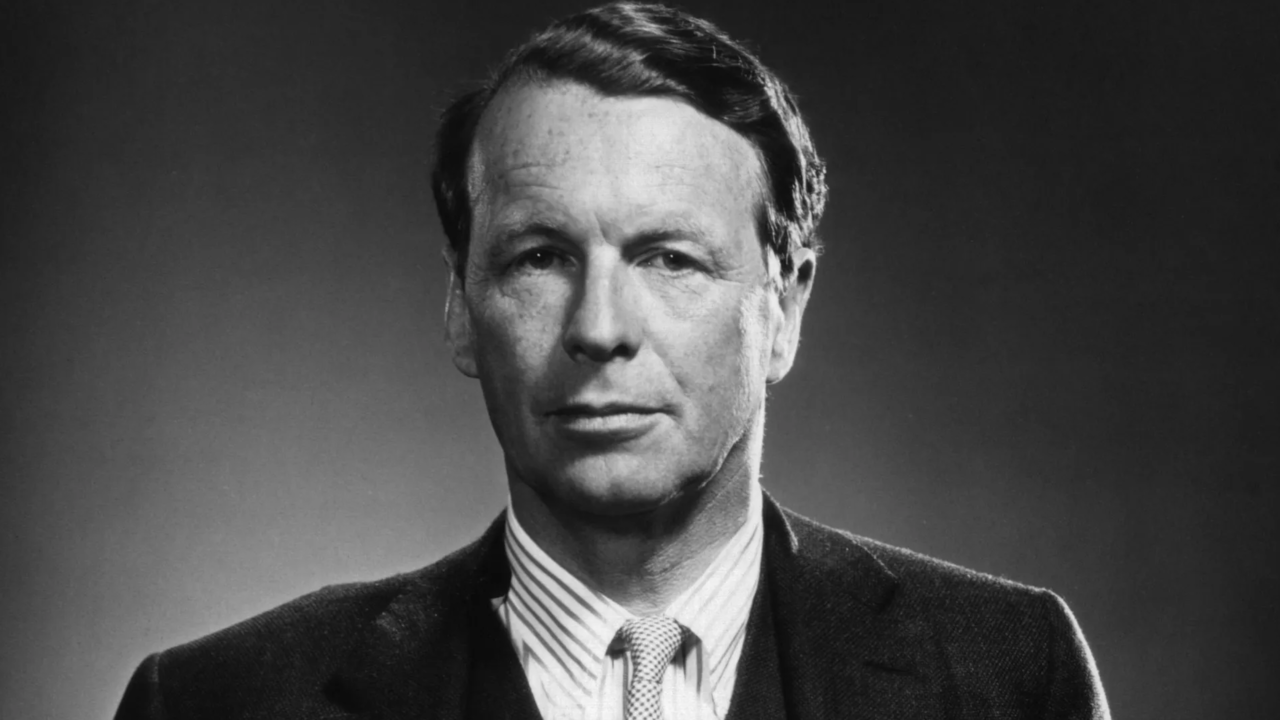
David Ogilvy: The Danger Of Discount Pricing
By Derrick DayeDavid Ogilvy, a legend along-side the likes of Rosser Reeves and Bill Bernbach, has some strong words to say about deals and price. They are certainly worth repeating:
- Any damn fool can put on a deal, but it takes genius, faith and perseverance to create a brand.
- The financial rewards do not always come in next quarter’s earnings per share, but come they do. When Philip Morris bought General Foods for five billion dollars, they were buying brands.
- There used to be a prosperous brand of coffee called Chase & Sanborn. Then they started dealing. They became addicted to price-offs. Where is Chase & Sanborn today? Dead as a doornail.
- The manufacturers who dedicate their advertising to building a favorable image, the most sharply defined personality for their brand, are the ones who will get the largest share of market at the highest profit.
- The time has come to sound an alarm! To warn what is going to happen to brands if so much is spent on deals that there is no money left to advertise them.
- Deals don’t build the kind of indestructible image which is the only thing that can make your brand part of the fabric of American life.*
*David Ogilvy, “Fiftieth Anniversary Luncheon Speech,” Advertising Research Foundation, New York City, March 18, 1986.
Sponsored By: The Brand Positioning Workshop
Read MoreDiscount Voucher Sites: Threat To Brand Value?
By Derrick DayeDiscount voucher sites are all the rage. Groupon, Living Social and a host of other players are entering the mushrooming markdown market. This begs the question if discount sites are good news for brand value?
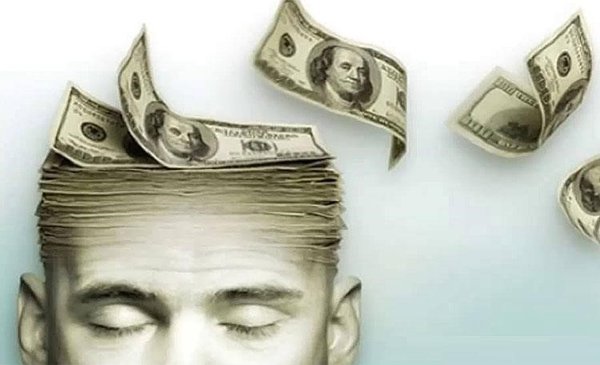
In summary we don’t think so. It may be good for short term revenue spikes and potentially contribution margin boosts but not long term brand value. This is based on our experience with hotels, spas and restaurants to name a few. Let us share how we arrived at this position. This will be in summary format and then in detail for those that want to read on.
To increase brand value brand equity needs to grow. Numerous empirical studies demonstrate how increases in brand equity drive a brand’s financial performance. Don’t treat the symptoms but the cause if you will. Equity is measured in a number of ways. We’ll consider these in the context of discount sites to develop our argument. Do discount voucher sites drive the following dimensions of brand equity?
Read MoreMarketing And The Psychology Of Savings
By Derrick DayeYesterday, I splurged on an expensive hair treatment that promises to give me frizz-free hair for 12 weeks. I first learned of this treatment a year ago, but rejected it as a frivolous indulgence at $350 a treatment. But when I was told of a $129 price promotion on the same treatment, I immediately said, ‘Sign me up!’ Now at $129, frizz-free hair is still a frivolous indulgence — but think of the ‘value’! A similar mechanism was at work last month when I spent more than I intended to on a car. The more expensive car had a higher discount. How could I pass up the greater ‘value’, even if it was costing me more?
As marketers we know consumers do not always behave rationally. That’s because value is perceived, and price is just one part of the value equation. Our skill as marketers is often measured by how effectively we enhance a product’s perceived value and thereby contribute to maximizing revenue and profit.
It’s chic to be cheap and frugality is fashionable.
Getting consumers to part with discretionary dollars has been especially difficult the past few years. The Recession made even those consumers not affected by job loss or stock market crashes more interested in savings. In 1973, price consciousness was found to be inversely related to social class (income). I doubt those findings could be replicated today.
One survey found the number of ‘confident’ consumers saying coupons influence where they shop increased from 25% to 33% between 2007 and 2009. At the same time the number of ‘anxious’ consumers indicating the same thing increased almost identically, from 27% to 32%.
According to IRI/Symphony, as of October 2010, nearly three-quarters of consumers report that price has become ‘a more important consideration than convenience in brand purchases’ and over three-quarters say they are more likely to choose a store because it offers lower prices on things I need. Fully 83% say they are ‘more likely to stock up on certain items if they go on sale’ and 81% say they are ‘more likely to look for sale prices throughout the store.’
Read MoreSocial Couponing And A Warning For Brands
By Derrick Daye
Many marketers asked Santa for a social coupon campaign for 2011. The explosive growth of Groupon and Groupon clones (BuyWithMe, LivingSocial, SocialBuy, and Tippr), offering “ridiculously huge” coupons (50-90% off), is taking marketing plans by storm.
These social coupon sites promise high customer demand in return for a deep discount and a share of the deal. In August, Gap offered a nationwide deal of $50 worth of apparel for $25 through Groupon. Some brands and businesses are offering social coupons directly, including ConAgra, Jack in the Box, and Walmart. However, the biggest participants have been small and mid-size businesses.
But tread carefully before you join the social coupon bandwagon. Running such deeply discounted deals can create a short term volume spike that backfires in the long run. There are plenty of cautionary tales from brands and businesses that didn’t do the math and regretted it.
Read MoreLow Price Advertising: Enemy Of Brands
By Derrick DayeNowhere in marketing today do emotions run hotter than when it comes to the role of (low) prices highlighted in advertising.
In boardrooms everywhere, one can imagine what's being said, we need to make some money fast so let's lower our prices, and let everybody know.
So CEOs and CFOs carry the day while CMOs beat a quick retreat to let the ad agencies know what to do.
Only it's a bad idea to lead with price in advertising. First, discounting, especially repeatedly, isn't sustainable. One of the key advantages of a sale is the element of surprise. How does surprise register on people's faces? Their eyes go wide, the mouth falls open; it's nature's way of saying: shut up, and notice the world around you.
Surprise aids stopping power in advertising, but surprise fades when you use the reduced-price trick over and over.
Second, surprise is really a pre-emotion. It's brief (less than a second) and followed either by the verdict of the surprise being positive "wow" or a negative yikes! Repeating low pricing leads to expectations of future low prices, desensitization, and the impossibility of creating a wow response.
Shopper research has shown that seeing any price tag causes disgust. Instinctively, people don't like giving up their money. So creating more delight regarding the offer, generating allure that exceeds feelings of disgust about surrendering cash, makes a positive purchase experience. The problem is that a low-price strategy isn't about the offer's intrinsic value; it's merely a desperate attempt to lower people's disgust levels and, ultimately, given desensitization, is a losing game.
Third, a focus on prices is about numbers, statistics, and carries people from right-brain emotional involvement in advertising to left-brain analytics. That's a bad trade-off, given that everyone feels before they think. Results from the IPA's database of 880 marketing campaigns has found that emotionally-oriented campaigns generate twice as much profitability as traditional, hard-sell rationally-oriented campaigns.
Read More