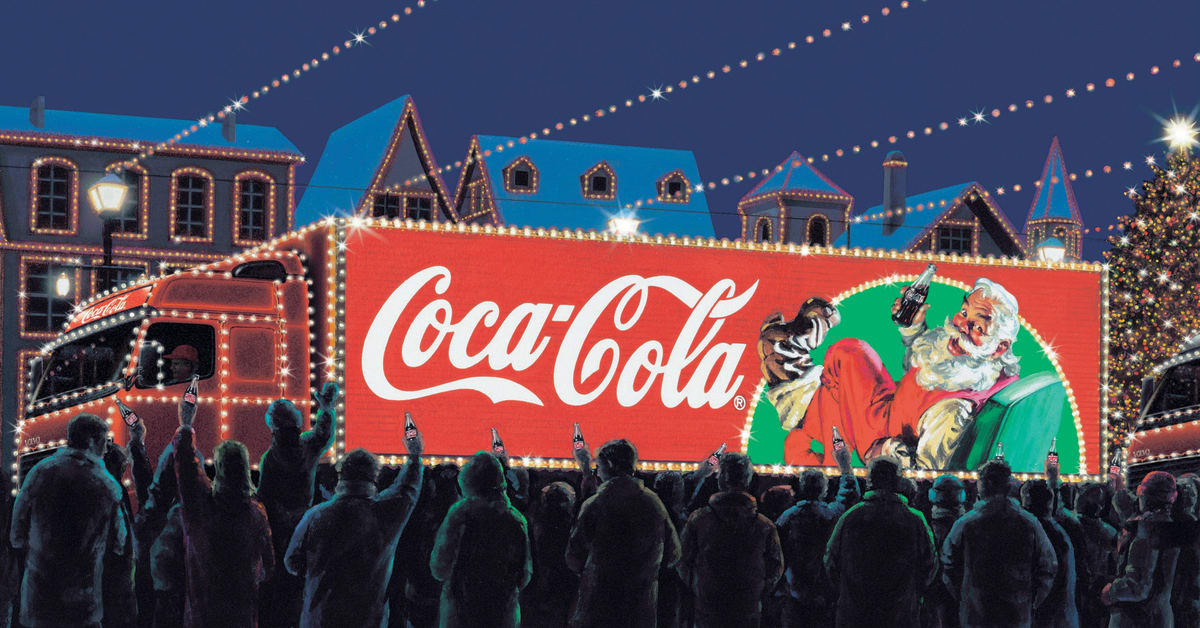

We’ve seen it and heard it a thousand times – the flawless model posing in an ad for facial-blemish cream... an extremely powerful cleaner that removes every trace of dirt in one effortless wipe... the picture-perfect baby modelling the 100% waterproof diaper. In these scenarios, there’s not even a hint of a single red spot, a stubborn stain, or a bedraggled mother. This is the story of the past 50 years of commercials, and they all have one thing in common – they all feature perfect brands in perfect environments. En masse, we all must believe what we see, or do we?
Take for example the most watched videos on YouTube. Most are by amateurs whose work looks amateurish. We watch reality shows on television, and despite all predictions that they’re on their way out, they keep inventing ever-new situations.
Some months ago a major European cosmetic brand was forced to cut costs. They were not alone, but the only way they could do this was by reducing the length of their TV commercials. They aimed to cut their regular 90-second spots down to 30 seconds. The big dilemma they faced was which scenes should be cut out? Instead of taking the conventional route – opinions and guesswork – they used a neuro-scientific tool based on EEGs whereby brainwaves of consumers were measured and evaluated. By scientifically analysing the commercials they were able to assess which scenes were the most emotionally engaging.
Continue reading "Consumers Desire Authenticity In Advertising" »