

BrandQuote – May 26
May 26, 20081 min
“Perception is reality in the absence of experience.” – Tom Martin Sponsored By: Brand Aid
“Perception is reality in the absence of experience.” – Tom Martin Sponsored By: Brand Aid

Farewell Norwich Union. After more than 200 years, it is about to be buried in the big brand graveyard. As we speak, a plot is being dug, right next to Midland Bank and opposite British Rail.

In positioning your brand sometimes you discover there are no unique positions to carve out. In such cases I suggest repositioning a competitor by convincing consumers to view the competitor in a different way. Tylenol successfully repositioned aspirin by running advertisements explaining the negative side effects of aspirin.
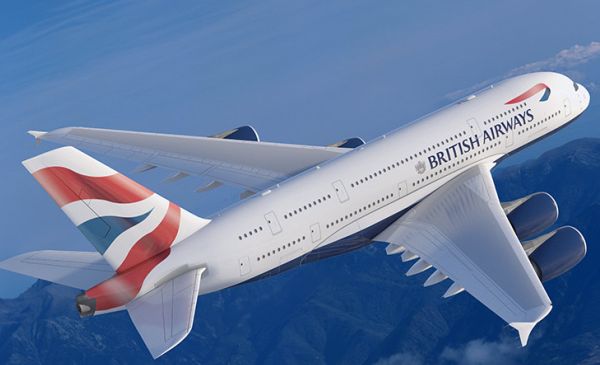
The British Airways pilot sounded calm, but he urgently needed a decision. Shortly after taking off from LAX one of the four engines on his Boeing 747, had exploded. With 5000 miles to fly and 351 passengers on board, should he return to Los Angeles or continue the flight to Heathrow?

Despite the disadvantages of line extensions, there are some cases in which it is not economically feasible to create a new brand and in which a line extension might work. Here are some of those:

