

Personal Branding
January 25, 20083 min
I have been asked on occasion to help people with their ‘personal branding.’
I have been asked on occasion to help people with their ‘personal branding.’
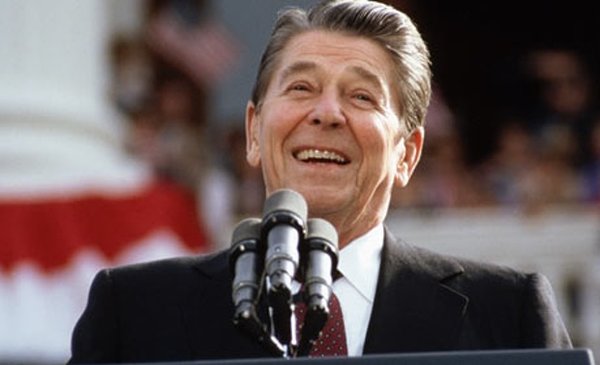
Ronald Reagan’s 1984 Presidential campaign was built on what is generally considered one of the most effective political campaign ads ever, mainly for its simple, optimistic message – “It’s morning again in America”.
Begin by thoughtfully defining what is most important to you in an agency, and clarify where you need the most help. This will be an important touchstone throughout the remainder of the process.

According the World Travel and Tourism Council (wttc.org), travel and tourism is “one of the world’s largest industries, employing approximately 231 million people and generating over 10.4 per cent of world GDP.” When one considers that businesses, residents and event and meeting planners also choose one place over another, it is no wonder that cities, regions and countries are branding themselves in earnest.