
The Blake Project, the brand consultancy behind Branding Strategy Insider, delivers interactive brand education workshops and keynote speeches designed to align marketers on essential concepts in brand management and empower them to release the full potential of the brands they manage.
Archive for November, 2006
Branding And Trade Secrets
By Brad VanAuken The Blake ProjectTrade secrets are an often overlooked form of brand protection. Trade secrets are simply information, techniques, procedures, codes, patterns, plans, processes, formula, prototypes, etc., that are developed confidentially and that are kept confidential. This even includes customer lists and instructional methods. The Coca-Cola syrup formulation is an example of a trade secret. (The added value of this approach from a brand perspective is that it often creates a mystique that has its own cache.)
Sometimes it is better to keep something a trade secret than to patent it. In some industries, companies routinely watch for competitors' new patents and then try to design around them. Non-compete and nondisclosure agreements are important, but not infallible, in protecting trade secrets. The Economic Espionage Act of 1996 protects trade secrets against theft. Information is legally considered to be a trade secret if an organization can show that it took reasonable measure to keep the information secret and that there is economic value to the information not being made public.
A business can protect its trade secrets in the following ways:
•Share confidential information only on a “need to know” basis.
•Limit the number of employees exposed to trade secrets. Always inform employees exposed to those trade secrets that (a) they are being exposed to secrets and (b) the importance of keeping the secrets secret.
•Mark all confidential documents “confidential – no copies allowed.” For added security, number each copy and keep a log of which numbered copy was given to which employee.
•Use access logs for trade secrets.
•Require anyone (employees, suppliers, customers, consultants and other business partners) who might come in contact with trade secrets to sign confidentiality and non-disclosure agreements before the relationship begins.
Overcoming Common Brand Problems – 12
By Brad VanAuken The Blake ProjectWe are exploring the 40 Most Common Brand Problems. Number 12 in our countdown centers on creating brands for the wrong reasons…
Common Brand Problem Number 12: Creating brands or sub-brands for internal or trade reasons, rather than to address distinct consumer needs
Analysis: There is nothing more inefficient or wasteful than creating a new brand or sub-brand for a purpose other than meeting a different consumer need. Brands and sub-brands should exist to address different consumers and consumer-need segments. It is expensive to launch a new brand (and very expensive to maintain multiple brands that meet similar consumer needs; it also adds unnecessary complexity to your organization). Worst of all, it dilutes the position of your original brand.
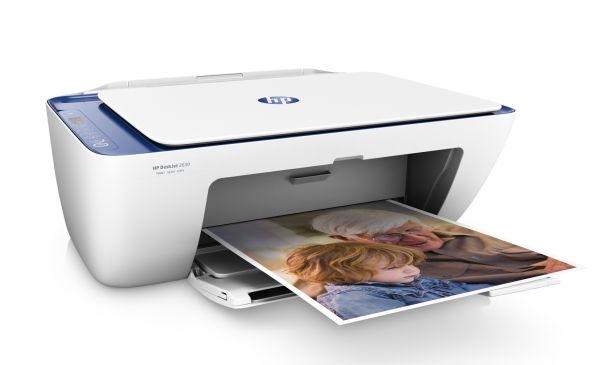
Key Point: This problem often results from organizational structure. People leading business units that deliver specific products or services create a name and identity to put on business cards and to rally their employees around, whether the products or services are similar to products or services other divisions create or not. (This has resulted in the following printer lines for HP: DeskJet, OfficeJet, OfficeJet Pro, LaserJet, DesignJet, DeskWriter and PhotoSmart—while the consumer is likely to think of them all as HP printers.)
Sometimes, companies create separate brands or sub-brands for trade reasons – for instance, to offer something different to specialty stores versus mass channels of distribution. (Hallmark created the Expressions From Hallmark brand for mass channel stores while specialty stores continued to carry the Hallmark brand. These two brands don’t meet different consumer needs and it’s not clear consumers perceive differences between the two.)
This problem can also result from mergers and acquisitions in which the brands are neither rationalized nor strategically managed after the enterprises are combined.
Sponsored By: The Brand Positioning Workshop
Read MoreIncreasing Anti-American Sentiment And US Brands
By Brad VanAuken The Blake ProjectThink about what you associate with specific countries and how that might effect your purchase of certain types of brands associated with those countries. In general, would you rather buy a Japanese, German or American car? Would you rather eat at a French, UK or Italian branded restaurant? Would you rather buy a Swiss, Romanian or Brazilian watch? Which countries of origin will enhance brands in these categories: olive oil, shoes, jeans, universities, spas, pasta, skis, adventure travel? From which countries would you not buy bottled water? Why?
Increasingly, American brands are feeling the effects of the US's increased association with imperialism and militarism. This is occurring through demonstrations, petition drives and boycotts throughout much of the world. Non-US brands are also contributing to and leveraging this situation. For instance, the Qibla Cola Company in Derby, England is selling its product as the Muslim alternative to Coca-Cola or Pepsi-Cola, using the tag line, “Liberate your taste.”
Attention Auto Dealers: Change The Voice In Your Head
By Derrick Daye10 things an auto dealer can do to change world opinion and increase sales.
If you are close to the auto-dealer space in any way, you are most likely hearing complaints from dealers and staff that sales are down. For dealers who dare to have vision and heart, sales can increase higher than imagined. Here are 10 ideas.
Change the Voice in Your Head
The one that says, "I'm an auto dealer; I need to look and act like an auto dealer." If you are a "follower," you have inherited the reputation that follows dealers. Shake this liability by distancing yourself through relevant differentiation. That is, build an experience that is different and meaningful to your customers. Your new voice should say: "I build lasting relationships by helping people purchase automobiles in a unique and compelling way."
Stop the Noise
The world is ready for you to stop the shouting in radio and television spots. This approach does not generate excitement or motivation unless it is coming from a drill sergeant. Furthermore, it comes off as desperation and reinforces the notion that you are like every other dealer. The noise intensifies when you don't communicate clearly.
The blur of fine print, jabs of pressure and fast talking keep consumers in a daze and on the defensive. Be sure to deliver clarity. When crafting your messaging, don't depend on reasoning to entice buyers. Emotional connections trigger sales. Most of all, remember, people buy from people. When you speak to your customer like a friend, the noise becomes a signal.
Become Human
Brands are personifications of organizations, products, services and experiences. Consumers do not develop relationships with products, nor are they loyal to products.
Brands and what they stand for establish the emotional connection with consumers. Your dealership has a brand. Different from the manufacturer's, it is the sum of all experiences a consumer has with your organization. It has been or is being created in the minds of everyone it comes in contact with. If you are not creating it, someone else is creating it for you.
What does your brand stand for? What emotions does your brand evoke? It should exhibit admirable human qualities. To most people, a "dealer is a dealer." Shift the focus from selling cars to building long-term relationships with car buyers.
Remove the Barbed Wire
It is time to defuse your sales approach. It alienates your customers and puts them on the defensive.
Take your women buyers for example. They influence 85 percent of purchase decisions, yet they are treated as second-class. (How is this happening?) A survey from Power Information Network, a division of J.D. Power and Associates, found that of about 800 female buyers in the U.S. market, roughly 40 percent believe their gender hurt the way they were treated in their most recent visit to an auto dealer. (Learn more about your female buyers at Ask Patty.)
To counter this treatment, most women rely on a male counterpart to aid them in the buying process. With some respect from you, this audience would be very loyal, refer others and most likely pay more (willingly) for your product.
Live and Thrive Without Graveyard Pricing
The strongest relationships are not built on price. There are other ways to entice your target audiences. A reputation of a caring car dealer will compel many. When you humanize your offerings, funny things happen; your customers drive an extra three blocks to drink a more expensive cup of your coffee. Create something special, and let your competitors command the lowest price.
Read More